Totteridge Common man with van guide for narrow drives
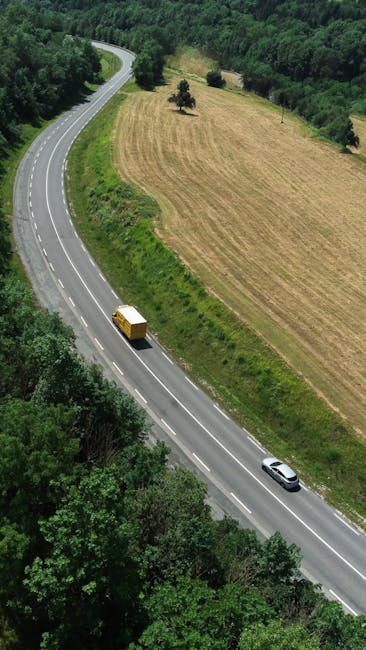
If you are planning a move around Totteridge Common, the narrow drives can be the part that turns a simple job into a slightly tense one. A standard van may fit fine on paper, but in real life you have parked cars, tight corners, hedges that seem to lean in, and the occasional awkward reversing manoeuvre. This Totteridge Common man with van guide for narrow drives is here to make that part easier, calmer, and a lot more manageable.
Whether you are moving a few bulky items, clearing a flat, or handling a small home move, the key is not just choosing a van. It is choosing the right approach for the access you actually have. That means thinking about vehicle size, loading order, timing, neighbour access, and how to avoid holding up traffic or damaging property. Let's get into the practical side properly.
Why Totteridge Common man with van guide for narrow drives Matters
Narrow drives are not just an inconvenience. They shape the whole moving plan. In Totteridge Common, access can be the difference between a smooth two-hour move and a day full of repositioning, carrying items further than expected, and trying not to scuff walls. To be fair, most moving problems in tight residential areas do not come from the packing itself. They come from the last 20 metres.
That is why a localised guide matters. A man with van service is often the right fit for smaller or mid-sized jobs, but narrow drives demand more than a van and a helpful pair of hands. You need planning. You need realistic expectations. And you need a mover who understands that a driveway with a sharp bend and limited turning space is not the same as a wide forecourt outside a warehouse.
Here is the simple truth: if access is tight, the move must be designed around the access, not the other way around. That sounds obvious, but people forget it all the time. Then they wonder why a van is blocking the lane and the side mirror is inches from a brick wall. Not ideal.
For larger household jobs, it can also be worth comparing a smaller service to broader removal services or even house removals if the volume of items or the access risk starts to climb. The right choice depends on the balance between item size, time, and how tight the property approach really is.
How Totteridge Common man with van guide for narrow drives Works
The process is usually simpler than people expect, but every step matters. A good move in a narrow drive area starts before the van arrives. Ideally, you assess the access in advance, decide where the vehicle can pause, and work out whether loading should happen from the front, side, or a nearby safe spot.
Think of it like this: the van is only one part of the job. The working method is the real service. If the vehicle cannot reverse easily, or if the drive is too tight for a standard long wheelbase, the mover may need to use a smaller van, make several trips, or park a short walk away and trolley items carefully. None of that is a disaster, but it has to be accounted for.
Many people arranging a local move will also look at man and van removals because the service can be adapted to awkward access, furniture pick-up, partial loads, and small home relocations. That flexibility is useful when the road layout is a little unforgiving. A bulky sofa is still a bulky sofa, though. Narrow drive, no magic trick, sadly.
The working flow typically looks like this:
- Check the driveway width, turning space, gradient, and nearby parking.
- Confirm whether the van can stop close enough without blocking traffic.
- Plan item order so the heaviest and most awkward pieces go in first.
- Protect walls, door frames, and flooring where needed.
- Load carefully, with shorter carry distances whenever possible.
- Reverse or re-park only when it is safe and sensible to do so.
The smoother the access plan, the less stressful the rest of the day becomes. Sounds basic, but it really is the difference-maker.
Key Benefits and Practical Advantages
When you use the right van and approach for narrow drives, the benefits show up immediately. The biggest one is reduced risk. Less reversing. Less scraping. Less chance of dragging a wardrobe around a tight corner and discovering, halfway through, that the staircase is not your friend.
Another benefit is speed. If the vehicle can get close enough to the property, loading becomes quicker and more efficient. That matters whether you are moving a few items across Totteridge Common or linking the move with a wider movers service. Time saved on access is time gained everywhere else.
You also get better control over the move itself. A local mover can adapt to the street, the building, the weather, and the neighbour situation. Let's face it, not every residential road is designed with loading bays in mind. A smaller van can often be a smarter choice than trying to force a bigger one into a space it does not like.
- Lower damage risk: fewer tight turns and fewer awkward contact points.
- Better parking flexibility: easier to position the vehicle safely.
- Less strain on lifting: shorter carries are easier on backs and arms.
- More accurate planning: the whole move becomes easier to estimate.
- Cleaner handover: less disruption to neighbours and passing traffic.
For some customers, the biggest advantage is simply peace of mind. You know the job has been thought through, not just hoped for. That makes a bigger difference than people expect.
Who This Is For and When It Makes Sense
This guide is most useful if you are dealing with tight residential access, limited parking, or a driveway that looks wide enough until you actually try to turn into it. It suits homeowners, tenants, landlords, and small business owners alike. If the move involves only a few loads, a man with a van can be a very practical option.
It also makes sense if you are moving furniture from one property to another, collecting a heavy item bought privately, or doing a partial clear-out. A narrower access route does not automatically mean you need a huge removal truck. In fact, sometimes the opposite is true. Smaller can be better.
If you are handling a full family home, several bedrooms of furniture, or a move with lots of boxed contents, you may want to compare the moving approach with house movers or broader house removalists support. Those services can be more suitable where access is tricky and the load is substantial.
It makes sense when:
- the drive is narrow, curved, or shared with neighbours;
- there is limited turning space at the end of the property;
- you need a smaller vehicle to reduce manoeuvring risk;
- you want a practical, cost-aware option for a modest load;
- the move needs quick local flexibility rather than a full-scale removal setup.
If any of that sounds familiar, you are in the right place.
Step-by-Step Guidance
Good moving results in narrow drives come from disciplined preparation. Not perfection. Just decent, sensible preparation. Here is a practical way to tackle it.
1. Measure the access honestly
Do not guess. Use a tape measure or even a visual comparison if that is all you have, but be realistic. Measure the drive width, the tightest turn, and the clearance around gates, posts, bins, or parked cars. Take note of low branches too. One overhanging hedge can become the least cheerful part of the afternoon.
2. Match the van to the route
A smaller van may be more practical than a larger one if the approach is awkward. If the route involves repeated angle changes or a narrow entrance, a compact vehicle can reduce risk and stress. The point is not to maximise van size. The point is to complete the move efficiently.
3. Decide where loading will happen
If the van cannot sit directly outside the door, work out the nearest safe loading point. That might be just around the corner, on a wider section of road, or in a place where the vehicle can stand without causing a problem. A clear loading plan saves time once everyone starts lifting.
4. Pack for carry distance, not just for storage
When the carry is longer, packing needs to be better. Boxes should be balanced, furniture should be wrapped properly, and smaller loose items should be grouped. You want to avoid that slightly panicked moment where someone is juggling a lamp, a toolbox, and a coat hanger. We have all seen it.
5. Load in the right order
Heavier items should usually go in first, with fragile or awkward pieces protected and secured. This matters more when the van needs to be used efficiently because every bit of space counts. Careful loading also helps when you later unload through another narrow access point.
6. Keep communication simple and direct
Let the mover know about tight corners, steps, shared access, residents' parking, or anything that might slow the job down. If there is a key code, a narrow gate, or a neighbour's vehicle often blocking the entry, say so upfront. It saves fiddly delays later.
7. Leave room for a fallback plan
Sometimes the plan changes on the day. Maybe a car is parked where it should not be, or the road is busier than expected. A good local operator will adapt, but you can help by having a backup parking idea and by keeping the most important items easy to reach.
Expert Tips for Better Results
In our experience, the best narrow-drive moves are the ones where the customer gives the mover a little more detail than they think is necessary. The extra 90 seconds of explanation usually pays back several times over.
Here are a few tips that consistently help:
- Book for a quieter time of day if the lane is busy with school runs or commuter traffic.
- Use protective covers on furniture and door edges, especially where the drive squeezes tight near walls.
- Mark the fragile boxes clearly so they are not buried at the bottom of the van.
- Keep a clear path indoors before the van arrives; clutter slows everything down.
- Have one person guide movement when reversing or making a tight turn. Too many voices can be... a lot.
A helpful rule of thumb: if the access looks marginal when you stand there in daylight, it will feel worse in drizzle or at dusk. That is just how it goes. So it is worth planning with a bit of margin.
If you are moving business equipment, keep the load classification in mind too. For a more structured move, commercial moves or office removals may offer the right balance of efficiency and access control. Different jobs, different rhythm.
Common Mistakes to Avoid
A lot of avoidable stress comes from a few repeated mistakes. The first is assuming the van can simply "fit somehow". That is not a strategy, just optimism with mirrors.
Another common issue is underestimating how much space is needed to open rear doors, swing furniture, or line up a trolley. People often focus on the drive itself and forget the working area at the end of it. You need both.
- Choosing a van that is too large for the actual access.
- Ignoring turnaround space and getting stuck on reverse exit.
- Not warning about parked vehicles or shared access points.
- Packing boxes too heavily for a longer carry distance.
- Leaving last-minute clutter outside the front door or gate.
- Assuming all roads behave the same at all times of day. They do not.
One more thing. People sometimes try to save time by rushing the first few items. That usually backfires. A careful start sets the tone for the whole move.
Tools, Resources and Recommendations
You do not need a warehouse full of gear, but a few practical tools help enormously in narrow access situations. A measuring tape, furniture blankets, straps, trolley, and some simple floor protection can make the whole job far smoother. Even a roll of tape and a marker pen can be surprisingly useful.
It also helps to have the right service combination. Some customers only need a straightforward removal van arrangement, while others benefit from a wider removal services package with packing help. If your move includes awkward furniture, you may also want to consider packing and unpacking services so the load is organised properly from the start.
Useful things to prepare before move day:
- photos of the driveway, turning point, and entrance;
- approximate dimensions of larger items;
- door codes, key access details, or gate instructions;
- a parking fallback option nearby;
- labels for rooms and priority items.
If you want to understand the wider service offer and company approach, it is also sensible to review about us, insurance and safety, and health and safety policy. Those pages help set expectations around professionalism, handling, and safe working practice.
Law, Compliance, Standards, or Best Practice
For narrow-drive moves, the main compliance concern is usually road safety and responsible access rather than anything highly specialised. In plain English: do not block traffic, do not create a hazard, and do not force a vehicle into a space where it cannot move safely.
Drivers and movers should work within normal UK road rules, local parking restrictions, and property access permissions. If a road is too tight for safe stopping, the sensible choice is to use a different loading point rather than take risks. That is not being overcautious. It is just good practice.
It is also wise to think about insurance, item handling, and property protection. Narrow access increases the chance of minor knocks and scrapes, so careful moving method matters. If you are comparing providers, it is reasonable to ask how they manage access checks, what happens if parking is restricted, and how they protect walls, flooring, and furniture.
For customers who like the paperwork side of things, it can be reassuring to review terms and conditions, payment and security, and privacy policy. That sort of due diligence is not glamorous, but it is sensible.
Options, Methods, or Comparison Table
Choosing the right approach depends on access, volume, and urgency. Here is a quick comparison to help you decide.
| Option | Best for | Pros | Watch-outs |
|---|---|---|---|
| Small man and van | Few items, single-room moves, awkward narrow drives | Easier access, flexible parking, usually quicker to position | May need more trips for larger loads |
| Larger removal van | More furniture, bigger family loads, more box volume | More space in one trip, fewer return journeys | Can be harder to manoeuvre in tight residential access |
| Full house removals support | Full property move with heavier volume and planning needs | More structured loading, broader support, better for complex jobs | Not always necessary for small or partial moves |
| Split-load approach | Mixed access and mixed item sizes | Reduces pressure on one vehicle size choice | Can take longer if not planned properly |
If you are still unsure, think about access first, load second, price third. That order tends to save people trouble.
Case Study or Real-World Example
Picture a fairly typical Totteridge Common move: a two-bedroom flat with a narrow shared drive, a low wall on one side, and a neighbour's car parked half a metre too close on the other. Nothing dramatic, just awkward. The customer has a sofa, a mattress, six boxes of books, two side tables, and a few fragile kitchen items.
Instead of sending in a large vehicle and hoping for the best, the move is planned around access. The van is positioned where it can unload safely without blocking the route. Heavy items go first. The sofa is wrapped and moved with clear guidance through the tightest part of the entrance. The books are split into smaller boxes so they are easier to carry and less likely to be dropped. The result? Less backtracking, no wall damage, and the whole move feels controlled rather than rushed.
That is really the point of a good narrow-drive service. Not flashy. Just calm, practical, and efficient. The kind of move where, by the end, you can actually breathe out and have a cup of tea without thinking about the driveway any more.
Practical Checklist
Use this checklist before your move. It keeps things simple when the day gets busy.
- Measure the driveway and note the narrowest point.
- Check whether a van can turn or must reverse out.
- Identify a safe loading and unloading point.
- Photograph tight corners, steps, gates, and parked-car pinch points.
- Tell the mover about any low branches or overhanging obstacles.
- Pack fragile items securely and label them clearly.
- Keep hallways and entrance paths clear.
- Reserve space for the van if the road is busy.
- Make sure keys, codes, and access instructions are ready.
- Confirm how payment, timing, and cancellation terms work.
Expert summary: With narrow drives, the winning move is rarely the biggest van or the fastest lift. It is the best fit between access, vehicle size, and loading plan. That combination saves time, reduces risk, and makes the whole day feel far less stressful.
Conclusion
A narrow drive does not have to turn your Totteridge Common move into a headache. With the right planning, the right van size, and a practical loading strategy, even awkward access can be handled smoothly. The key is to treat access as part of the move itself, not an afterthought.
If you are comparing options, start with the property layout, then think about load size and service level. That simple order of decisions usually leads to better outcomes. And yes, it is a bit more effort up front, but it pays off when the van arrives and everything just starts flowing.
Get a free quote today and see how much you can save.
When the planning is solid, the move feels smaller, lighter, and much more human. That is what good local service should do.
Frequently Asked Questions
What is the best van size for narrow drives in Totteridge Common?
The best size is usually the smallest van that can still carry your load efficiently. If access is especially tight, a compact or medium van may be safer and easier to position than a larger vehicle.
Can a man and van service handle a very narrow driveway?
Often, yes. A man and van setup is usually more flexible than a larger removal vehicle, especially for awkward entrances, shared drives, and short local moves.
How do I know if my driveway is too tight for a van?
Measure the narrowest point, check turning space, and look for obstructions such as parked cars, gates, or low branches. If you are unsure, photos usually help a mover judge the access more accurately.
Is it better to park on the road and carry items further?
Sometimes it is. If the driveway is too tight for safe entry, a nearby safe loading point may be the better option. That can add a bit of carry distance, but it is often safer and faster overall.
Do narrow drives make removals more expensive?
They can, depending on the extra time, the need for smaller vehicles, or additional handling. But not always. A well-planned small move can remain very efficient and good value.
Should I use a full removal company instead?
If you are moving a full house, a lot of furniture, or a very bulky load, a broader removal service may be better. For smaller or medium loads, a man with a van can be more practical.
What should I tell the mover before the job starts?
Tell them about driveway width, turning space, parking restrictions, stairs, gates, low branches, and any likely obstructions. The more honest the picture, the smoother the move.
Can packing help with narrow access?
Absolutely. Smaller, well-labelled boxes are easier to carry through tight spaces. Good packing also reduces the risk of damage when moving items around corners or through narrow entrances.
What if a neighbour's car blocks the drive?
Have a backup plan. A good mover will usually adapt by finding another safe loading point or adjusting the timing. It is one of those real-life things that happens, especially on residential streets.
Is insurance important for narrow-drive moves?
Yes. Tight access increases the chance of minor knocks or handling issues, so insurance and careful working practice are worth checking before you book.
How far in advance should I book?
As early as you can, especially if access is difficult or the move needs careful timing. Early booking gives more room to plan around parking, traffic, and any access quirks.
Where can I learn more about the company and its policies?
You can review the service details on man with van removal, along with the company's about us information and relevant safety pages. That helps you understand how they approach planning, handling, and customer care.