Barnet Council parking permits for Totteridge removals
Posted on 26/06/2026
Barnet Council parking permits for Totteridge removals: a practical guide for a smoother moving day
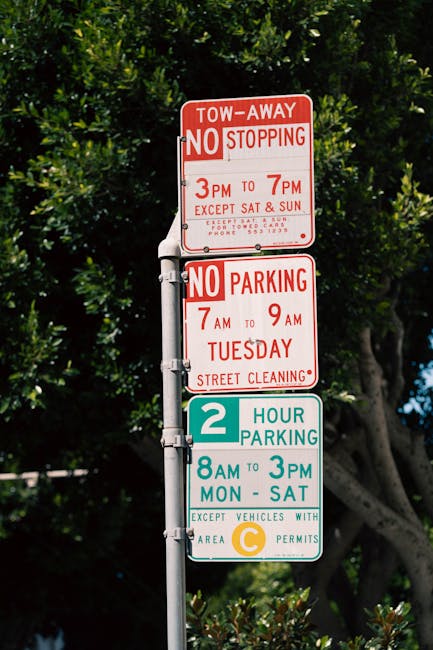
If you are planning a move in Totteridge, parking is rarely a small detail. It can be the thing that quietly makes the whole day feel calm, or turns it into a queue of frustrated people, half-packed boxes, and a van sitting awkwardly far from the front door. Barnet Council parking permits for Totteridge removals are there to help you manage that part properly, so your movers can load and unload with less hassle and less risk of penalties. This guide explains how it all fits together, what to expect, and how to avoid the common mistakes that catch people out at the last minute.
Truth be told, most moving stress in this part of North London comes down to access. A permit, a bay suspension, a clear loading plan, and a realistic timetable can make all the difference. Let's break it down in plain English.
Why Barnet Council parking permits for Totteridge removals Matters
On a removals day, the van is not just transport. It is your workspace, your buffer zone, and often the only realistic place to stage bulky furniture before it goes into the property. In Totteridge, where road space can be tight and residential parking can be heavily used, a parking permit is often what keeps the move efficient and civilised.
Without proper parking arrangements, the crew may have to carry items a long distance, which slows everything down and adds strain. That matters more than people expect. A sofa walk from the van to the front door sounds simple until it involves a steep path, a narrow street, or a rainy afternoon. And, yes, you will notice the difference immediately when the van can sit close enough to work properly.
For many local moves, the parking question is really an access question. Can the van stop safely? Is there room for a tail lift? Is there space for a temporary loading area? Are there restrictions at the time you need to move? These practical issues are exactly why people plan ahead rather than hoping for the best.
If you are already in the prep stage, it can help to think beyond parking too. Packing, decluttering, and timing all interact with access. A useful starting point is preparing your home properly before moving day, because the less unnecessary stock you have to shift, the easier the parking and loading plan becomes.
Expert summary: In Totteridge, good parking arrangements do more than save time. They reduce lifting distance, lower the risk of delays, and help the whole move feel under control from the first box to the last chair.
How Barnet Council parking permits for Totteridge removals Works
The exact setup can vary depending on the street, the bay type, and whether your move needs a simple loading arrangement or a more formal parking suspension. That is the bit people often overlook. A removal van does not automatically get to occupy residential parking just because the day is inconvenient.
In practical terms, you usually need to consider three things:
- Whether the road or bay has restrictions during your moving window
- Whether the vehicle can load safely without blocking traffic or causing an obstruction
- Whether the council needs advance notice for a permit, suspension, or another parking arrangement
For Totteridge removals, the safest assumption is to check early rather than late. Permits and suspensions can take lead time, and if you leave it too close, you may be forced into a less ideal loading spot. Nobody wants to be lifting a wardrobe around parked cars at 8:15 in the morning while everyone else is trying to leave for work.
It also helps to understand the difference between a parking permit and a temporary loading arrangement. A permit may allow a vehicle to stay in a controlled bay under set rules. A loading arrangement may simply give permission to stop while goods are actively being moved. Those are not always the same thing, and mixing them up is a classic moving-day mistake.
If your route involves a tricky approach or limited turning space, local planning becomes even more important. The guide on parking routes and loading tips around Totteridge Park is a good example of how a few local details can change the entire move.
Key Benefits and Practical Advantages
Getting parking right is not only about avoiding a ticket. It shapes the whole moving experience. A sensible permit plan can save time, reduce physical effort, and make the job feel more coordinated.
1. Faster loading and unloading
A van parked closer to the property means fewer trips, less carrying, and less back-and-forth. That sounds obvious, but on moving day obvious things are often the first to slip.
2. Less physical strain
Long carry distances are tiring. So are awkward lifts from the wrong angle. If you have large or heavy furniture, a better parking position can reduce the amount of repeated handling needed. That matters for safety as much as speed.
3. Better timing control
Moves in residential streets rarely go exactly to plan. Parking arrangements give you a margin of control. Even if one room is slower than expected, the van is still where it needs to be.
4. Fewer neighbour friction points
Let's face it, nobody enjoys being the moving crew that blocks half the street. Clear parking arrangements help you stay considerate, which is especially useful in densely parked streets where neighbours are already juggling their own routines.
5. Safer handling of bulky items
Items like wardrobes, beds, freezers, pianos, and sectional sofas all become harder to manage when the van is parked too far away. For heavy and awkward objects, access planning and handling planning go hand in hand. If you are dealing with weighty pieces, this heavy-object handling guide is worth a look before the day arrives.
| Aspect | With good parking arrangements | Without planning |
|---|---|---|
| Loading speed | Usually smoother and more direct | Often slowed by long carry distances |
| Physical effort | Lower, with fewer awkward lifts | Higher, especially for bulky items |
| Stress level | More predictable | More reactive and rushed |
| Risk of delay | Reduced | Higher, especially in busy streets |
Who This Is For and When It Makes Sense
Not every move needs the same parking setup. A student moving a few boxes from a flat and a family relocating a full house are working with very different realities. The permit question becomes more important as the volume, vehicle size, and access complexity increase.
It usually makes sense to arrange parking support if you are:
- Moving from or to a street with limited parking
- Using a larger removal van or tail-lift vehicle
- Moving large furniture, fragile items, or bulky appliances
- Working to a narrow time window, such as a same-day move
- Trying to avoid repeated long carries from a distant parking space
- Moving from a flat, maisonette, or property with restricted access
If you are in a flat or upper-floor property, the parking setup can matter even more. A short lift carry up stairs is one thing; a long carry from the next road over is another. That is why flat removals in Totteridge often benefit from tighter parking coordination than people expect.
There is also a timing element. Early-morning moves can be easier in one street and harder in another. Midweek can be calmer than a weekend. It depends on local parking pressure, school runs, and neighbour parking patterns. A bit of local awareness goes a long way.
Step-by-Step Guidance
If you want to handle Barnet Council parking permits for Totteridge removals properly, the simplest approach is to work through the move in order. Nothing fancy. Just a calm sequence.
- Check the street conditions
Look at the road outside the property and nearby side streets. Notice whether parking spaces are normally full, whether there are yellow lines, and whether the access looks tight for a removal van.
- Decide what kind of access you need
Ask yourself whether the vehicle must remain outside for a short loading stop, a longer loading window, or a full-day presence. That answer affects the parking solution.
- Confirm the moving date and time early
Do not leave this until the final packing weekend. A Tuesday morning move and a Saturday afternoon move do not behave the same way on the street.
- Choose the right parking arrangement
This may mean a permit, a loading allowance, or another form of council-approved parking support depending on the location and restrictions. Keep it specific to the property, not just the postcode.
- Coordinate with the removals team
Your movers need to know where the van can stop, how long they can work there, and whether they need to bring extra equipment. If you are booking a crew, the services overview can help you think through what level of support you actually need.
- Plan the loading route
The shortest path is not always the safest one. Watch for steps, low walls, slippery paths, and narrow hallways. A tidy route is often faster than a direct but awkward one.
- Build in a backup
If the best parking spot is taken on the day, decide in advance what happens next. A second loading point nearby can save the whole schedule from wobbling.
A small but useful trick: do a quick walk outside the property the day before. Stand where the van might park. It takes five minutes and saves a lot of guesswork. Honestly, that tiny walk can be worth more than an hour of stress later.
Expert Tips for Better Results
There are a few things we have learned from local moves that tend to make the parking side easier. None of them are dramatic. They are just the kind of practical details that quietly improve the day.
- Book your moving slot with the parking picture in mind. If possible, avoid the worst pressure points for the street, such as school run periods or peak commuter departures.
- Label bulky items early. When the van is parked well, you want the loading process to move quickly. Clear labels help the team work with purpose.
- Protect the route inside the property. Door frames, stair edges, and hallway corners take the brunt of the movement when spaces are tight.
- Use the right team for awkward items. A piano, American-style fridge, or oversized wardrobe should never be treated like a random box. For delicate large items, piano removals in Totteridge show how specialist handling can matter just as much as parking.
- Keep the van-loading side organised. Pack in the order you want items unloaded. That reduces the number of times the team has to reshuffle things in the vehicle.
- Plan storage if the timing is split. If you are not moving everything in one go, local storage options can take pressure off the parking schedule and the property handover.
One small real-world note: a move can look almost too easy when the parking is right. That is a good thing. If the van sits where it should, the team can focus on careful handling instead of constant repositioning. Boring parking, in this case, is a compliment.

Common Mistakes to Avoid
A lot of the avoidable trouble on moving day comes from fairly ordinary mistakes. The good news? They are easy to sidestep once you know what to look for.
- Leaving parking planning until the last week. By then, you may already be stuck with less flexible options.
- Assuming any van can stop anywhere for "just five minutes". That is rarely a safe assumption in a controlled or busy street.
- Forgetting to match the permit to the actual vehicle. A van size mismatch can cause issues if the arrangement was based on the wrong vehicle details.
- Ignoring access around the building. Parking is only half the job; the walk from van to doorway matters too.
- Underestimating bulky furniture. Large items need space, angles, and patience. Rushed handling leads to chipped walls and strained backs. Not ideal.
- Failing to brief neighbours or building managers where needed. A quick heads-up can prevent misunderstandings, especially in shared entrances or quiet streets.
Another common one: packing too much before confirming the loading point. If you end up needing a different bay or a second stop, the load plan becomes awkward fast. A better move is to keep one eye on the parking and one eye on the boxes.
Tools, Resources and Recommendations
You do not need a huge toolkit to manage removals parking properly, but a few basics make life easier.
- Measuring tape for checking doorways, lift gaps, and furniture dimensions
- Notebook or phone notes for parking details, time windows, and access instructions
- Floor plan or rough sketch for deciding where items should go first
- Labels and marker pens to keep the load organised
- Blankets, covers, and straps for safe handling inside the van
- Phone battery and charger because moving day somehow drains batteries faster than normal, doesn't it?
For packing efficiency, smart packing techniques can save a surprising amount of time once the van is parked and ready. If you are moving out of a property entirely, preparing the house for the next occupants is also a helpful follow-on task, especially when you want to hand over the space cleanly and without last-minute drama.
If you are moving with only a few items, a simpler setup may work well. A man and van service in Totteridge can be a sensible fit for lighter loads, while larger homes may need something more structured. There is no prize for overcomplicating it.
Law, Compliance, Standards, or Best Practice
Parking around a removals job touches on common-sense legal compliance as much as it does logistics. The main principle is straightforward: do not block traffic, do not park where you are not allowed to park, and do not assume a removals task creates an automatic exception to the rules.
In practice, that means you should work within the local parking controls that apply to the road, including any controlled parking zone restrictions, loading limitations, waiting limits, or suspension requirements. If a formal parking arrangement is needed, it is sensible to make sure the vehicle details, timings, and location are accurate. Small errors can become annoying delays.
Best practice in the removals industry is to plan access as early as the booking stage, not on the morning of the move. A reputable removals team should ask about parking, access, lifts, stairways, and vehicle size before arriving. If they do not, that is a bit of a warning sign, to be fair.
Safety standards matter too. A parked van should not force the team into unsafe lifts or overlong carry routes. Good moving practice means balancing efficiency with care for people, property, and neighbours. If your move includes particularly heavy or awkward items, handling guidance should be part of the plan, not an afterthought. You can also review general commitments such as health and safety practices and insurance and safety information when choosing how to manage risk around the move.
Options, Methods, or Comparison Table
There is more than one way to handle parking for a Totteridge move. The right choice depends on the property, the street, and how much furniture you are shifting.
| Method | Best for | Pros | Trade-offs |
|---|---|---|---|
| Basic loading stop | Very short, simple moves | Quick and uncomplicated | Less secure if parking is busy or restricted |
| Parking permit | Controlled streets and planned removals | More predictable access | May need advance arrangement |
| Temporary bay suspension | Moves requiring guaranteed space | Reduces competition for space | More formal and may require extra lead time |
| Alternative nearby parking | Smaller moves or flexible crews | Useful fallback | Longer carry distance, more time on foot |
In real life, you often end up using a mix of these. Maybe the ideal bay is not available, so you use a nearby loading point with a tighter schedule. Or perhaps the street is fine early in the morning but becomes tight later. Flexibility helps, but so does a proper first choice.
If the property has extra complications, such as tight stair access or a large item that needs careful manoeuvring, it may be worth comparing the parking plan against the type of removals support you need. For example, removal services in Totteridge can cover a wider set of moving needs than a basic vehicle hire approach, particularly when the access is not straightforward.
Case Study or Real-World Example
Here is a simple local-style example. A family moving from a terraced property in Totteridge had a full van load, a narrow road, and neighbours already parked tightly on both sides. The first instinct was to hope for a space outside the house on the morning. Not a great plan, as it turned out. By mid-morning, the road was fuller than expected and the van would have been forced to stop too far away.
Instead, the move was adjusted the day before. The team confirmed the loading point, checked the best approach for the van, and staged the largest items near the front room the evening before. On the day itself, the van was able to work from a practical position, which meant the sofa, bed base, and boxes all moved in steady waves rather than one frantic scramble.
The interesting thing was how much calmer the household felt. There was still some noise, some footsteps, a bit of clatter, and that familiar moving-day smell of cardboard and old dust. But there was no panic, because the parking plan had already solved the biggest access problem. That is often the difference between a move that feels controlled and one that feels like a scramble.
If a move involves student accommodation, smaller rooms, or multiple short trips, a more compact setup may work better. In those cases, student removals in Totteridge can offer a more lightweight approach that suits tighter parking and faster turnarounds.
Practical Checklist
Use this before moving day. It keeps the practical bits visible, which helps more than people think.
- Confirm your moving date and time window
- Check whether the street has loading restrictions or controlled parking rules
- Decide whether you need a permit, suspension, or only a short loading stop
- Measure bulky furniture and note any awkward items
- Tell your removals team about access issues, staircases, and tight corners
- Pack the van in a sensible unloading order
- Prepare a backup parking or loading point nearby
- Keep entryways clear inside the property
- Protect walls, floors, and door frames
- Make sure keys, codes, and contact details are ready
- Have a charger, water, and basic tools on hand
For larger homes, you may also want to prepare items for longer-term storage if the timing between addresses does not line up neatly. The guide on storing your sofa long-term is useful if one or two pieces need to sit out the move for a while.
Conclusion
Barnet Council parking permits for Totteridge removals are really about making the practical side of moving behave properly. When the parking is sorted, the rest of the day becomes easier to manage. The crew can work closer to the property, bulky items are handled with less strain, and the whole move feels more professional and less rushed.
The best results usually come from planning early, checking the street conditions honestly, and choosing the right type of parking support for the property. That might sound simple, but simple is often what saves the day. A short planning session now can spare you a very long afternoon later.
Get a free quote today and see how much you can save.
And if you are still in the middle of the move, take a breath. The details look bigger before the boxes are gone. Once the van is parked where it should be, things tend to settle surprisingly fast.