N20 removals guide: Totteridge parking and permit tips
Posted on 10/06/2026
If you are moving in or out of Totteridge, the parking side of the job can be the bit that catches people out. The boxes are packed, the kettle is missing, and then the van arrives and there is nowhere sensible to stop. That is exactly why this N20 removals guide: Totteridge parking and permit tips exists. It is here to help you plan the awkward bits before moving day, so the actual move feels calmer and a lot less rushed.
In a place like Totteridge, where streets can be tight, bays can be shared, and neighbouring residents still need access, a little parking planning goes a long way. A small delay can snowball quickly. A permit issue can turn into loading stress. And if you are moving a sofa, a piano, or a full flat's worth of furniture, you really do not want to be carrying things further than necessary. Let's make it simpler.
This guide covers how parking and permits usually affect removals in N20, what to check before moving day, how to reduce the risk of fines or delays, and how to keep the move efficient for everyone involved. If you are comparing services too, the pages on removals in Totteridge, man with a van in Totteridge, and house removals in Totteridge are useful next steps once you have the logistics under control.
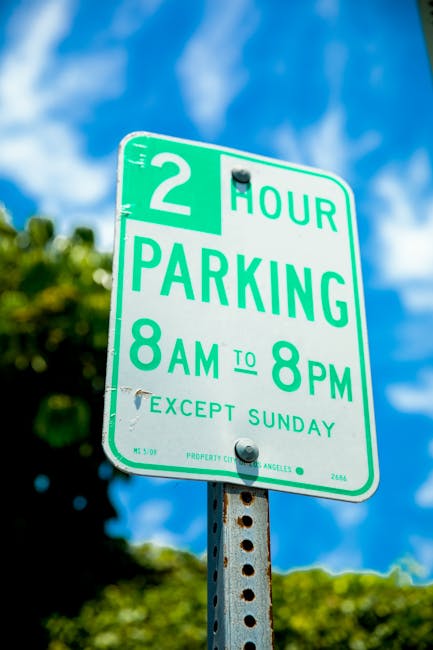
Why N20 removals guide: Totteridge parking and permit tips Matters
Parking is not just a small admin task. For removals, it shapes the whole day. If the van can stop close to the property, loading is quicker, safer, and usually less expensive in labour time. If it cannot, you end up with longer carries, more fatigue, and more opportunity for breakages. Simple, but true.
Totteridge has the kind of road patterns that can make moving day feel slightly more complicated than people expect. Residential streets may have limited waiting space. Some locations have controlled parking zones or resident-only bays nearby. Even where parking is possible, you may still need to think about timing, neighbours, access to driveways, and how a larger removal vehicle will fit without blocking traffic.
There is also a courtesy angle. A van parked badly can upset neighbours, obstruct bins, or make it hard for someone else to reverse out. That is not a great way to start a moving day. A few minutes of planning can save a lot of awkward conversations at the kerbside.
To be fair, most people only think about parking once the keys are in hand and the boxes are stacked by the front door. That is exactly the moment when stress tends to spike. Planning ahead keeps the move controlled. It also helps you choose the right service level, whether that is a straightforward removal van in Totteridge or a more complete package through Totteridge removal services.
Expert summary: In local removals, parking and permits are not side issues. They are part of the job design. Sort them early, and the rest of the move tends to run with fewer surprises.
How N20 removals guide: Totteridge parking and permit tips Works
The basic idea is straightforward: work out where the vehicle will stop, whether any restrictions apply, and whether you need permission to load safely and legally. In practice, that means checking three things early.
1. The property access point
Start with the front of the home, flat, or office. Can a van stop nearby without blocking a junction, driveway, or dropped kerb? Is there enough room to open doors and carry items out without weaving around parked cars? If you are in a flat, the entrance route matters just as much as the street outside.
2. The local parking rules
Look for signs, bay markings, time limits, and any residential permit requirements. In many London streets, the details matter more than people realise. A bay that looks available may still be time-restricted or permit-controlled. If you are not sure, check the local authority or your property management instructions rather than guessing.
3. The vehicle size and loading plan
A small van can sometimes tuck into a tighter space, but larger household moves may need a different approach. A good plan should account for the height of the vehicle, turning room, and whether the crew can safely stage items without blocking foot traffic. If you are moving a piano or heavy furniture, this becomes even more important. If that is your situation, the guide on moving a piano without professional help is worth a look, because the access planning alone can make or break the day.
In real life, the process often looks like this: first, assess the street. Second, confirm the permit or parking condition. Third, match the van and team to the access available. It sounds basic, but a lot of moving-day trouble comes from skipping one of those steps.
If you are preparing belongings before the van arrives, the article on masterful packing techniques for a hassle-free move can help keep the loading sequence clean and efficient. That matters when the van has only a short stopping window.
Key Benefits and Practical Advantages
Good parking and permit planning is one of those unglamorous tasks that quietly improves the whole move. You may not notice it when things go well, but you will definitely notice it when it goes badly.
- Less carrying distance: closer parking means fewer steps, less strain, and faster loading.
- Reduced risk of damage: fewer trips through gates, hallways, or shared spaces lowers the chance of knocks and scrapes.
- Better time control: the crew can work more predictably when the vehicle is already positioned well.
- Lower stress: the household is not standing around wondering where the van can legally park.
- Improved neighbour relations: sensible parking avoids blocking access or causing nuisance.
- Smarter costs: less wasted time can mean a more efficient booking overall.
There is also a safety benefit. Moving heavy things over a longer distance, especially on uneven pavements or narrow garden paths, increases the chances of a slip or awkward lift. If you are dealing with bulky or awkward items, it is worth reading this heavy object handling guide alongside your parking plan. The best lift is the one you do not have to repeat three times because the van is too far away.
Another practical win is rhythm. A removals day goes better when everyone knows where the vehicle is, where to place items, and how long the stop will last. Small thing, big difference.
Who This Is For and When It Makes Sense
This guide is useful for anyone moving in N20, but especially if your move involves limited street space, a flat, a shared driveway, or fragile or heavy items. In other words, nearly everyone at some point.
Home movers
If you are moving from a house, the obvious question is whether a van can sit by the property or whether it will need to use the street. Even with a driveway, the vehicle size may be an issue. If you are planning a larger family move, house removals in Totteridge can be a better fit than a basic van-only approach.
Flat movers
For flats, the situation can be trickier. Lift access, stairwells, communal entrances, and narrow loading areas all affect how the parking plan should work. If that sounds like your address, the page on flat removals in Totteridge is especially relevant.
Students and shorter-term movers
Students often move at peak times, with lots of similar-looking boxes and not much spare time. Parking can be a real headache if everyone on the street is arriving or leaving at once. For a more streamlined setup, see student removals Totteridge.
Office and business moves
Office relocations need extra care because timing is tied to business hours, building access, and staff coordination. Parking mistakes can ripple through the whole day. If that is your situation, office removals in Totteridge will be more relevant than a generic domestic moving guide.
It also makes sense to use this advice when you are doing a same-day move, picking up items from storage, or booking a smaller man-and-van job where the van must turn around quickly. If the move is light but time-sensitive, same-day removals in Totteridge may fit the need neatly.
Step-by-Step Guidance
Here is a practical way to handle Totteridge parking and permit planning without overcomplicating it.
- Check the exact address and access route. Note the front door, side access, gates, stairwells, and any barriers that could affect loading.
- Inspect the street layout. Look for bay markings, yellow lines, kerb restrictions, and areas where a van would block traffic or a neighbour's drive.
- Confirm who controls the parking space. This may be the council, a landlord, a managing agent, a residents' association, or nobody at all. Ask rather than assume.
- Decide whether you need a permit or dispensation. Some moving jobs may require temporary permission. Others may simply need to obey local parking rules. If you are unsure, check with the relevant authority.
- Match the vehicle to the space. A smaller vehicle may be more practical on a narrow road. A larger removal van may need a different stopping point.
- Plan the loading sequence. Put the heaviest and most awkward items near the door, and identify what should come out first. This helps if your parking window is short.
- Tell neighbours if access may be briefly restricted. A quick heads-up can prevent frustration, especially if the road is tight.
- Prepare backup options. If the first stop is taken, where is the next legal place to load? Think of it as plan B, not panic mode.
A small, practical example: if you are moving from a second-floor flat and the van cannot park immediately outside, it may be worth pre-positioning boxes at the entrance lobby only if that space is safe and allowed. Otherwise, the crew spends half the morning doing extra laps between the van and the door. Not ideal.
For packing support, the page on packing and boxes in Totteridge can help you get the items ready in a way that suits the vehicle load order. And if clutter is building up before the move, these decluttering tips are genuinely useful. Less stuff, less parking pressure. Funny how that works.
Expert Tips for Better Results
Here are the tips that tend to make the biggest difference in real removals, not just on paper.
Book the parking plan before the packing reaches peak chaos
Once the rooms are half-empty, everyone starts focusing on boxes, tape, and where the spare keys went. That is too late for a calm parking decision. Sort access early, ideally when you book the move.
Keep the loading zone as short and clean as possible
The closer and tidier the path, the faster the crew can move. Clear away pots, bikes, loose mats, and anything that could snag a wheel or catch a toe. Even a tiny obstacle can be annoying when someone is carrying a wardrobe frame.
Use the right team for awkward items
Heavy items are not just about strength; they are about balance, grip, angles, and safe foot placement. If a piano, a solid oak dresser, or a big freezer is part of the job, it is often smarter to bring in specialists than to improvise. If you need more context, these articles on storing a freezer safely and what to do when a freezer is not in use can be handy if appliances are being shifted to storage rather than straight into the new place.
Think about the weather, too
A dry July morning and a wet winter afternoon are very different jobs. Rain makes steps, pavements, and polished floors more slippery. In colder months, dark mornings also make curbside decisions harder. A little extra care matters.
Communicate the exact stop point
Tell the removal crew where the van can load, not just the address. "Outside the blue house" is better than "near the church," and far better than guessing when the driver arrives.
Keep a calm tone on the day
That sounds obvious, but moving day is emotional. People get flustered. Someone always asks where the charger is. If parking is delayed, a steady voice helps everyone breathe and reset. Honestly, that bit counts.
If you want a broader sense of moving-day pressure and how to keep it under control, this guide to reducing moving stress fits neatly with parking planning.

Common Mistakes to Avoid
A lot of moving problems in Totteridge are not caused by bad luck. They are caused by small assumptions made too late.
- Assuming the van can stop "just for a minute". In controlled areas, a quick stop can still be a problem.
- Not checking signage in person. Memory is unreliable. Signs are not.
- Forgetting about neighbours' access. Blocking a driveway may turn your moving day into somebody else's complaint.
- Leaving permit arrangements until the last day. It is the classic moving mistake. Don't do it if you can help it.
- Choosing a vehicle before checking the street. Size matters here more than people think.
- Ignoring loading distance. Ten extra metres does not sound like much until you have walked it forty times with boxes.
- Not planning for large items separately. Sofas, beds, and pianos often need more space and more time than standard boxes.
There is one more subtle mistake: not telling the removal company about special access conditions. If there is a low arch, shared parking, security gate, or one-way street, say so early. A good crew can work with that. Surprises are what they dislike. Fair enough, really.
Tools, Resources and Recommendations
You do not need a van-load of equipment just to plan parking well, but a few simple tools make the job easier.
- Phone maps and street view: useful for checking road width, bends, and nearby bays.
- Notepad or moving app: keep the permit reference, contact numbers, and loading plan in one place.
- Measuring tape: helpful if you are judging whether a van can fit close enough to the property.
- Labels and markers: useful when you are staging boxes for a quick load.
- Blankets, straps, and protective wrap: these protect furniture if items have to be carried a little further than planned.
For extra packing support, packing techniques for a hassle-free move can help you prepare loads that are quicker to handle. If you are storing anything between properties, the service page for storage in Totteridge is a sensible place to start.
It is also worth reviewing company policies before booking, especially if you want clarity on service expectations, safety, and handling procedures. The pages on health and safety, insurance and safety, and terms and conditions give you a clearer picture of how a professional provider approaches the job.
Law, Compliance, Standards, or Best Practice
This section needs a careful, sensible approach. Parking and permits in London are governed by local rules, signage, and council arrangements. Those rules can change, and the exact requirements may depend on the street, property, time of day, and the kind of vehicle being used. So, rather than guessing, always confirm the current rules with the relevant authority or property manager before moving day.
For removals, the practical best practice is simple:
- do not park where signage prohibits it;
- do not block driveways, junctions, dropped kerbs, or access routes;
- do not assume a loading stop is allowed unless you have checked;
- keep any temporary arrangement documented where possible;
- communicate clearly with the removal team and property contact.
If you are moving from a managed block or an estate, there may also be building-specific rules about contractor vehicles, lift protection, or loading bay use. These are not always legal rules, but they still matter because they control access on the day. A small admin email beforehand can save a rather embarrassing corridor stand-off later on.
For customers who value accountability and clear processes, the support pages on about us, pricing and quotes, and payment and security are useful to review before booking. Trust is not just about the move itself; it is about how the whole thing is handled.
Options, Methods, or Comparison Table
There is more than one way to handle parking during a Totteridge move. The best option depends on space, budget, and how much you are moving.
| Method | Best for | Pros | Watch out for |
|---|---|---|---|
| Street-side loading close to the property | Houses with adequate road access | Fastest loading, shortest carry, less strain | May require checking restrictions and timing carefully |
| Permit or authorised stop | Controlled streets or managed estates | More lawful certainty, better planning | Needs lead time and confirmation |
| Further-away legal parking | Narrow streets or busy periods | Can still be workable if planned well | Longer carry, more effort, slower move |
| Smaller vehicle approach | Tricky access or tight roads | Easier positioning, sometimes less disruption | May require more trips if the load is large |
| Professional full-service removals | Complex moves with heavy furniture or tight timing | Better coordination, safer handling, less stress | Usually needs early booking and clear access details |
In practice, the best choice is often the one that reduces the distance between the van and the front door without breaking any rules. It sounds obvious, yet people overthink it and under-check it at the same time. Human nature, eh?
If your move is a smaller one and you want flexibility, the page on man and van services in Totteridge may be a better fit than a larger full-house setup. If you need a broader overview first, the services overview is a good place to compare options.
Case Study or Real-World Example
Picture a fairly typical Totteridge move: a two-bedroom flat, a couple of bulky wardrobes, a sofa, several boxes, and a modest stairwell. The residents had assumed the van could stop directly outside for an hour. On the morning, there was a bay restriction nearby and limited street space because a neighbour had visitors. Nothing dramatic, but enough to create a wobble.
Instead of forcing it, the move was adjusted. The vehicle stopped legally a short walk away, the heaviest items were loaded first, and the crew protected the route with blankets and careful carrying. That added a few minutes, not a catastrophe. The difference was that the team already knew the route, the access points, and the likely backup stop before they arrived.
The interesting part is what happened next. Because the boxes were packed neatly and the furniture had been prepared in advance, the longer carry did not become chaotic. It was still a little more work, of course. But it stayed orderly. The residents later said the most helpful thing was not the van size, but the fact that the parking issue had been thought through before anyone lifted a sofa at 8:30 in the morning.
That is the real lesson here. Good planning does not make every moving day perfect. It just stops one small problem from becoming the whole story.
If you are also preparing to leave a property clean and tidy for the next occupants, the guide on preparing your house for the next occupants can help with the final handover.
Practical Checklist
Use this checklist before moving day. It is simple on purpose.
- Confirm the moving date and arrival window.
- Check whether the street has parking restrictions or permit rules.
- Identify the closest legal loading point.
- Speak to the council, managing agent, or landlord if permission is needed.
- Measure access if the road looks tight.
- Tell the removal team about stairs, lifts, gates, or narrow entrances.
- Arrange a backup stop if the preferred place is unavailable.
- Pack and label boxes so the load sequence is logical.
- Protect furniture and fragile items for any longer carry.
- Notify neighbours if the van may briefly affect shared access.
- Keep contact details and booking info handy on the day.
Quick reality check: if you can answer "where will the van stop?" before the packing tape comes off the roll, you are already ahead of most moving-day headaches.
Conclusion
Parking and permits may not be the most exciting part of a move, but in Totteridge they are often the part that decides whether the day feels smooth or slightly frantic. When you handle access early, you protect time, reduce lifting strain, avoid unnecessary risk, and make life easier for everyone involved.
The simplest way to think about it is this: check the rules, choose the right vehicle, keep the loading route short, and tell everyone what the plan is. That is the heart of a good local move. Nothing flashy. Just proper preparation.
If you are still shaping the move itself, it can help to compare a few routes and service levels before committing. Start with the relevant service page, then work backwards from your parking reality rather than from wishful thinking. That one adjustment can save a lot of grief. And on moving day, a calm start is worth a lot.
Get a free quote today and see how much you can save.
Whether you are moving a compact flat, a family home, or something a bit more awkward, a clear plan is usually the difference between rushing and breathing. And honestly, breathing is better.